

Table of Content
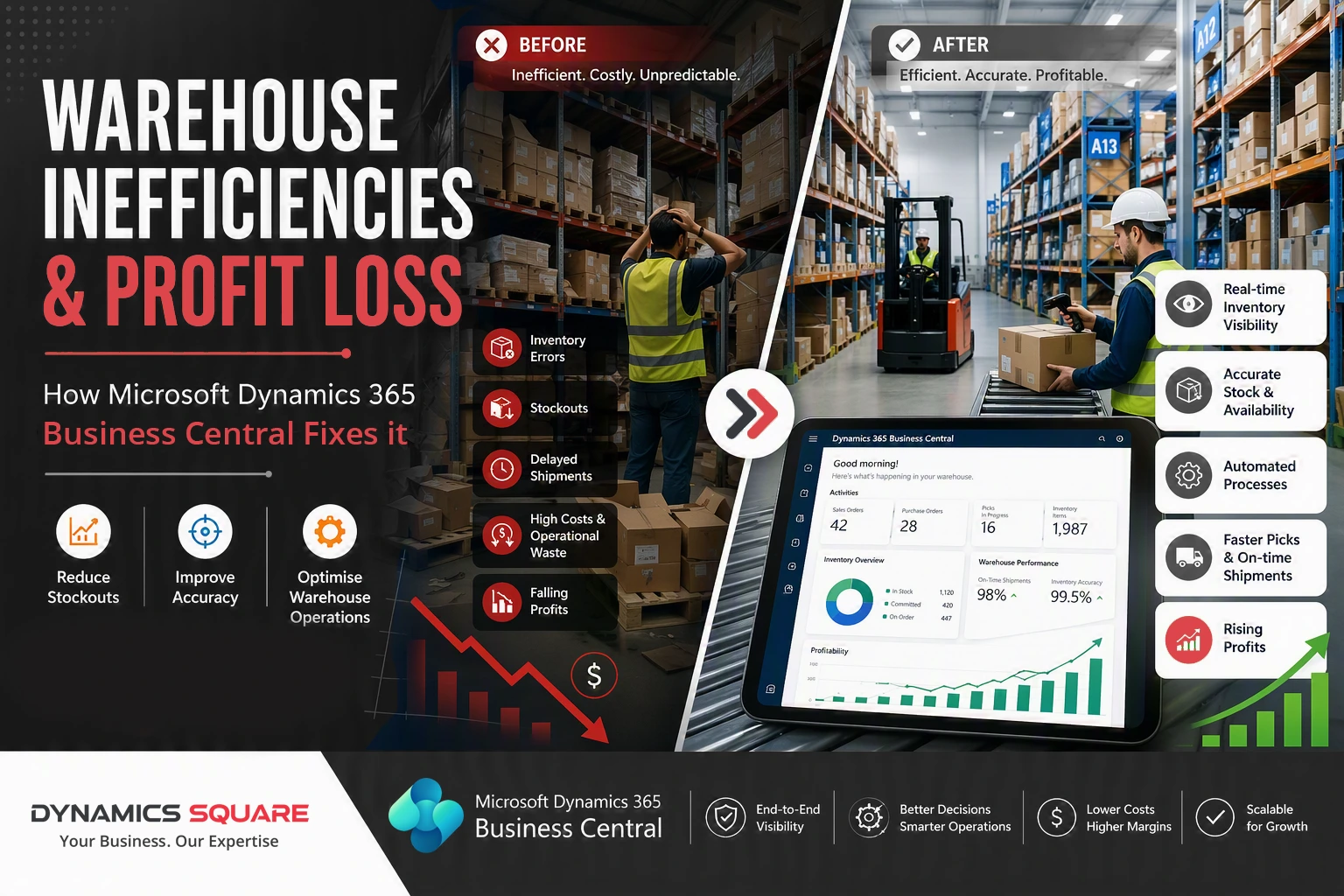
Warehouses act like the heartbeat of manufacturing and distribution, but also retail, wholesale, and eCommerce companies. Every single order that gets fulfilled, every little inventory shift, and each shipment that moves along affects customer satisfaction directly while also impacting profitability.
Still, many businesses continue running warehouse operations using spreadsheets, disconnected software, and manual processes.
So, what happens? These hidden inefficiencies begin draining margins quietly every day. When picking is delayed, inventory records become inaccurate, stock is misplaced, labour is overutilised, and warehouse visibility remains limited, operational costs rise while customer satisfaction declines.
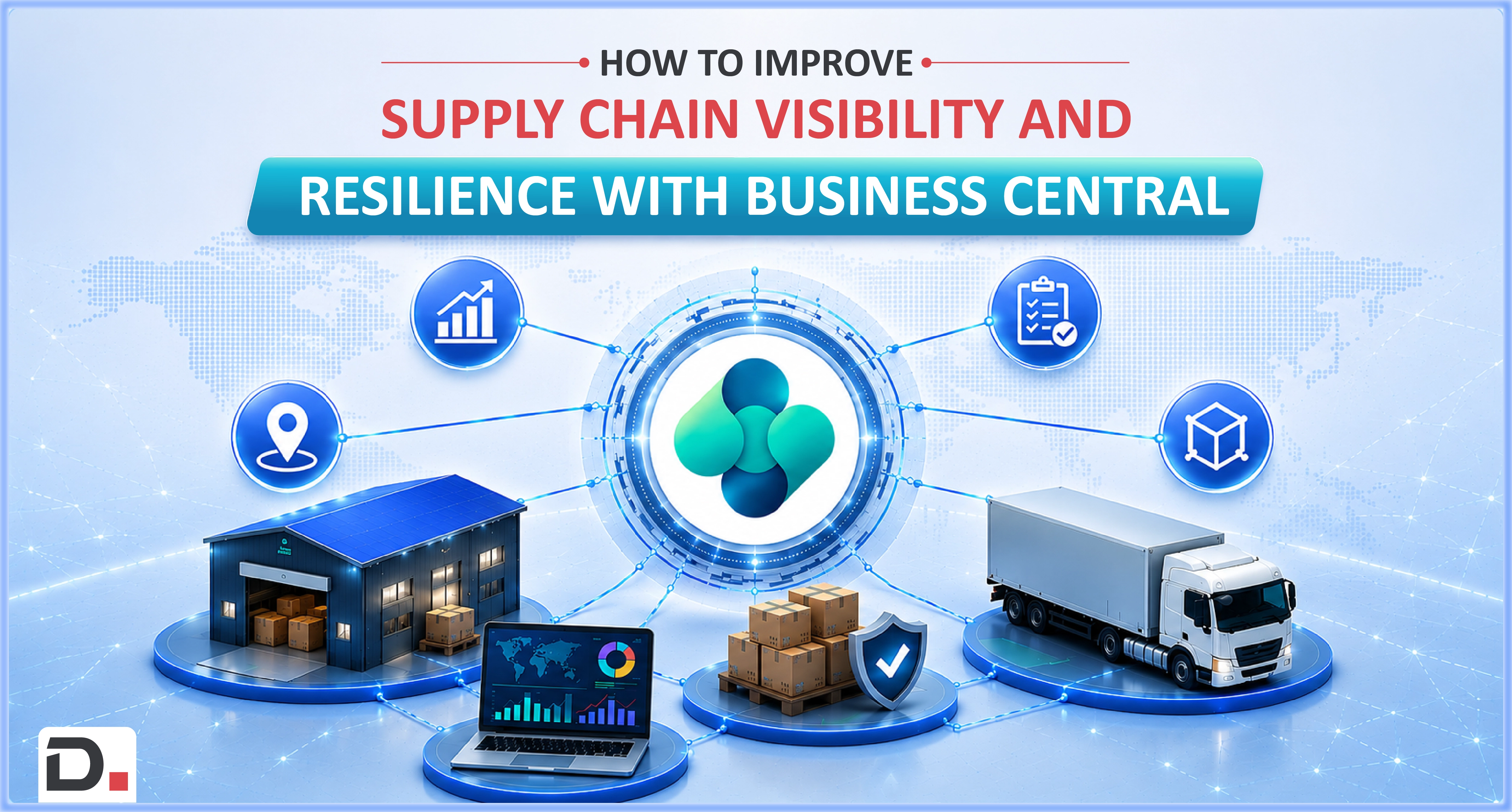
That's where Dynamics 365 Business Central Warehouse Management becomes a game changer. Instead of treating warehouse management as a separate function, Microsoft Dynamics 365 Business Central connects warehouse operations with finance, purchasing, inventory, manufacturing, and sales in one unified system.
This creates a connected ecosystem where warehouse automation enables better decisions and faster day-to-day operations.
In this blog, we'll explore the hidden costs of warehouse inefficiencies and how Business Central WMS Solutions help eliminate them.
The Hidden Cost of Warehouse Inefficiencies
Many warehouse issues seem minor initially, but over time they accumulate and lead to significant financial losses.
Common warehouse inefficiencies include:
- Inventory discrepancies
- Manual inventory tracking
- Slow order picking
- Stockouts
- Overstocking
- Poor warehouse space utilisation
- Delayed shipments
- High labour costs
- Frequent inventory recounts
- Lack of operational visibility
The challenge is that these issues affect multiple areas of the business simultaneously and often go unnoticed until the impact becomes significant.
Financial Impact
Warehouse inefficiencies typically increase:
- Carrying costs
- Inventory holding costs
- Freight expenses
- Labour costs
- Product obsolescence
- Returns and replacement costs
They also reduce:
- Cash flow
- Customer satisfaction
- Order fulfilment speed
- Warehouse productivity
- Overall business profitability
Without real-time operational data, businesses often become reactive instead of proactive. Problems are only identified after they occur, making them more expensive to resolve.
Common Warehouse Issues Businesses Run Into
1. No Live View of Inventory
Many companies struggle to answer basic inventory questions such as:
- Where exactly is the product located?
- How much inventory is available?
- Has stock already been reserved for an order?
- Does replenishment need to happen immediately?
Without live inventory visibility, warehouse teams spend more time searching and less time fulfilling orders.
2. Processes That Stay Stuck on Paper
Paper-based picking lists and spreadsheet inventory tracking often lead to:
- Human error
- Duplicate work
- Slow inventory updates
- Delayed dispatches
These manual processes struggle to support growing warehouse operations and quickly become bottlenecks.
3. Mistakes During Picking and Packing
Selecting the wrong item or picking from the wrong location can result in:
- Customer complaints
- Reverse logistics costs
- Repacking expenses
- Loss of customer trust
Even small picking error rates can significantly impact profitability.
4. Too Much Stock, and Too Little Stock
Poor planning creates two expensive problems.
Overstocking
- Additional storage expenses
- Capital tied up in inventory
- Product obsolescence risk
- Reduced cash flow
Stockouts
- Lost sales opportunities
- Emergency purchasing costs
- Production interruptions
- Customer dissatisfaction
In either scenario, revenue suffers.
5. Missing Warehouse Performance Metrics
Without reliable KPIs, managers struggle to monitor:
- Picking accuracy
- Inventory turnover
- Warehouse utilisation
- Order processing time
- Labour productivity
Without accurate performance data, continuous improvement becomes guesswork.
How Dynamics 365 Business Central Warehouse Management Solves These Problems
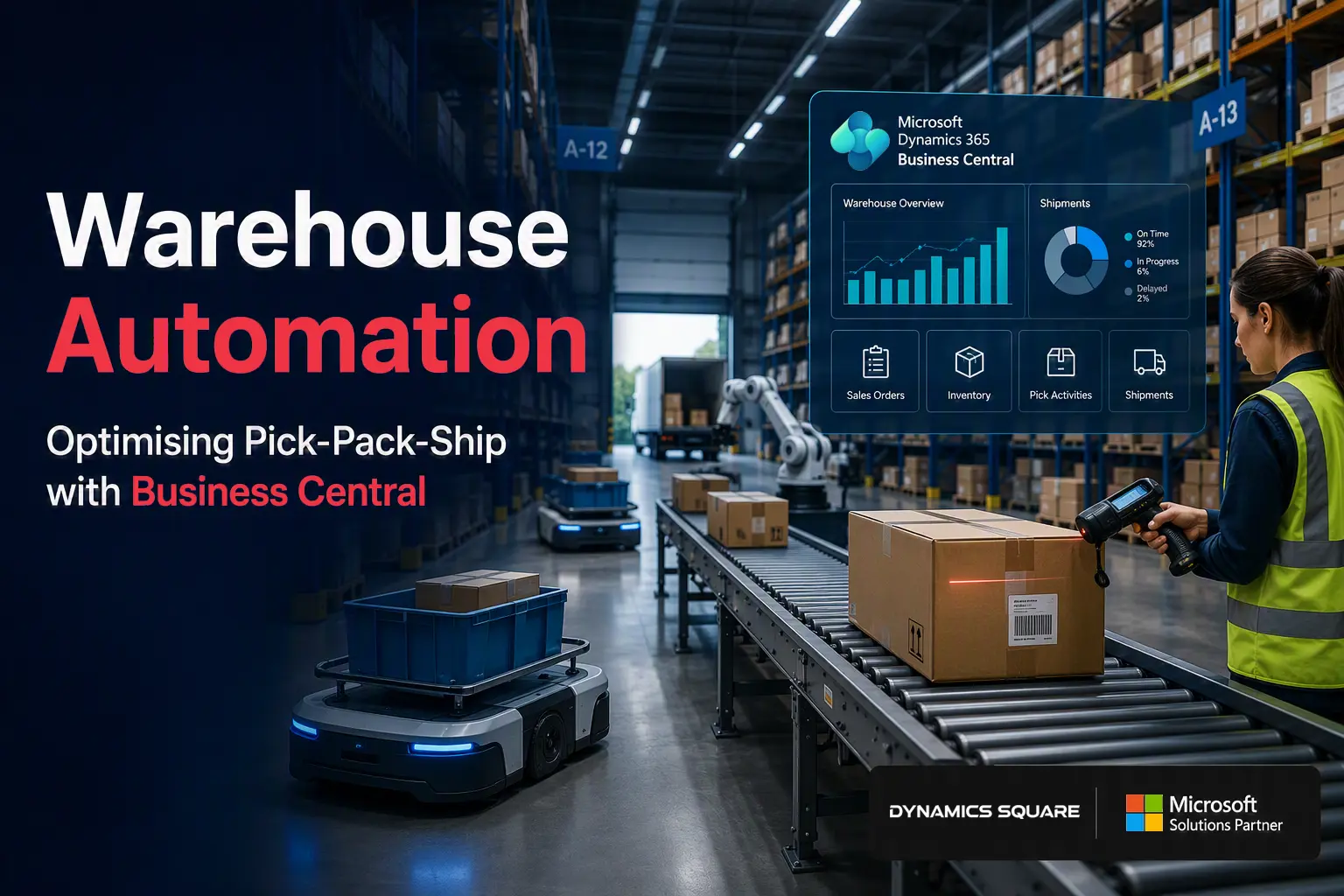
Dynamics 365 Business Central Warehouse Management helps streamline warehouse operations from receiving through to shipping within a unified system.
Rather than relying on disconnected applications, every warehouse transaction automatically updates inventory and financial records in real time, creating a more efficient and connected operation.
Top 6 Warehouse Management Capabilities in Dynamics 365 Business Central
1. Bin Management
- Organise inventory across bins, racks, shelves, and storage locations.
- Improve inventory visibility and maximise warehouse space utilisation.
2. Warehouse Receiving and Put-away
- Process incoming goods through warehouse receipts and automated put-away workflows.
- Ensure products reach the correct storage location quickly and accurately.
3. Picking & Shipping Management
- Create warehouse picking tasks and shipment documents for sales, production, and transfer orders.
- Accelerate fulfilment while reducing picking errors.
4. Directed Put-away & Pick
- Guide warehouse staff to optimal storage and picking locations.
- Improve efficiency and overall productivity.
5. Bin Replenishment & Internal Transfers
- Automatically replenish picking bins from bulk storage areas.
- Manage stock movement between internal warehouse locations.
- Reduce inventory shortages in high-demand picking zones.
6. Real-Time Inventory Visibility
- Monitor inventory levels and stock movement in real time.
- Track warehouse performance across multiple locations.
- Support smarter planning and decision-making.
Warehouse Cost Cutting with Business Central
Every warehouse manager wants the same outcome—lower costs without sacrificing service levels.
Business Central supports warehouse cost reduction through several practical improvements.
Reduced Labour Expenses
Automation eliminates repetitive manual tasks, allowing employees to focus on higher-value activities.
Lower Inventory Holding Costs
Better forecasting helps prevent excess inventory accumulation and supports smarter purchasing decisions.
Fewer Inventory Mistakes
Real-time updates reduce lost inventory, duplicate purchases, inventory adjustments, and customer returns.
Improved Order Accuracy
More accurate picking processes result in fewer returns, refunds, replacement shipments, and customer complaints.
These savings directly improve profit margins.
Advanced Warehouse Add-ons for Growing Businesses
As warehouse operations become more complex, Tasklet Mobile WMS extends Microsoft Dynamics 365 Business Central capabilities through:
- Mobile barcode scanning
- Real-time inventory updates
- Guided warehouse workflows
- Multi-location warehouse management
This enables greater inventory accuracy, faster picking and shipping, reduced manual errors, and stronger warehouse control.
Watch It in Action
See how Microsoft Dynamics 365 Business Central provides complete warehouse visibility and streamlines end-to-end warehouse operations.
Signs Your Warehouse Needs Business Central
If your business experiences any of the following challenges, it may be time to modernise your warehouse operations:
- Inventory counts rarely match system records.
- Employees spend excessive time locating products.
- Orders are frequently shipped late.
- Picking mistakes are increasing.
- Stockouts occur despite having inventory available.
- Warehouse reporting takes days instead of minutes.
- Operations depend heavily on spreadsheets.
- Manual data entry causes frequent errors.
- Labour costs continue to rise without productivity improvements.
These are strong indicators that current processes may be limiting business growth.
Conclusion
Microsoft Dynamics 365 Business Central helps businesses streamline warehouse operations, improve inventory accuracy, reduce operational costs, and scale confidently as demand grows.
If you're ready to optimise your warehouse operations, speak with our experts today and discover how Dynamics 365 Business Central Warehouse Management can help you build a faster, smarter, and more efficient warehouse.
FAQs
1. What is Warehouse Management in Dynamics 365 Business Central?
Warehouse Management in Business Central helps organisations manage receiving, inventory handling, picking, packing, shipping, and overall warehouse operations within a single ERP platform.
2. How does Business Central reduce warehouse costs?
Business Central reduces costs through process automation, improved inventory accuracy, fewer operational errors, and enhanced workforce productivity.
3. What warehouse challenges does Business Central address?
It helps resolve inventory inaccuracies, manual processes, picking errors, stockouts, overstocking, and poor operational visibility.
4. Can Business Central manage multiple warehouse locations?
Yes. Business Central provides real-time inventory visibility and supports warehouse management across multiple locations.
5. Does Tasklet Mobile WMS integrate with Business Central?
Yes. Tasklet Mobile WMS integrates seamlessly with Business Central, enabling barcode scanning, guided workflows, and real-time inventory updates.

Witness a scalable transformation
Experience real-time synchronisation and flexibility with a consistent view across your business.
Disclaimer– “All data and information provided on this blog is for informational purposes only. Dynamics Square / MPG Business Information Systems Pvt. Ltd. makes no representations as to accuracy, completeness, currentness, suitability, or validity of any information on this site and will not be liable for any errors, omissions, or delays in this information or any losses, injuries, or damages arising from its display or use.”


