ERP/CRM Migration for SMBs: A Practical Guide to Moving from Legacy Systems
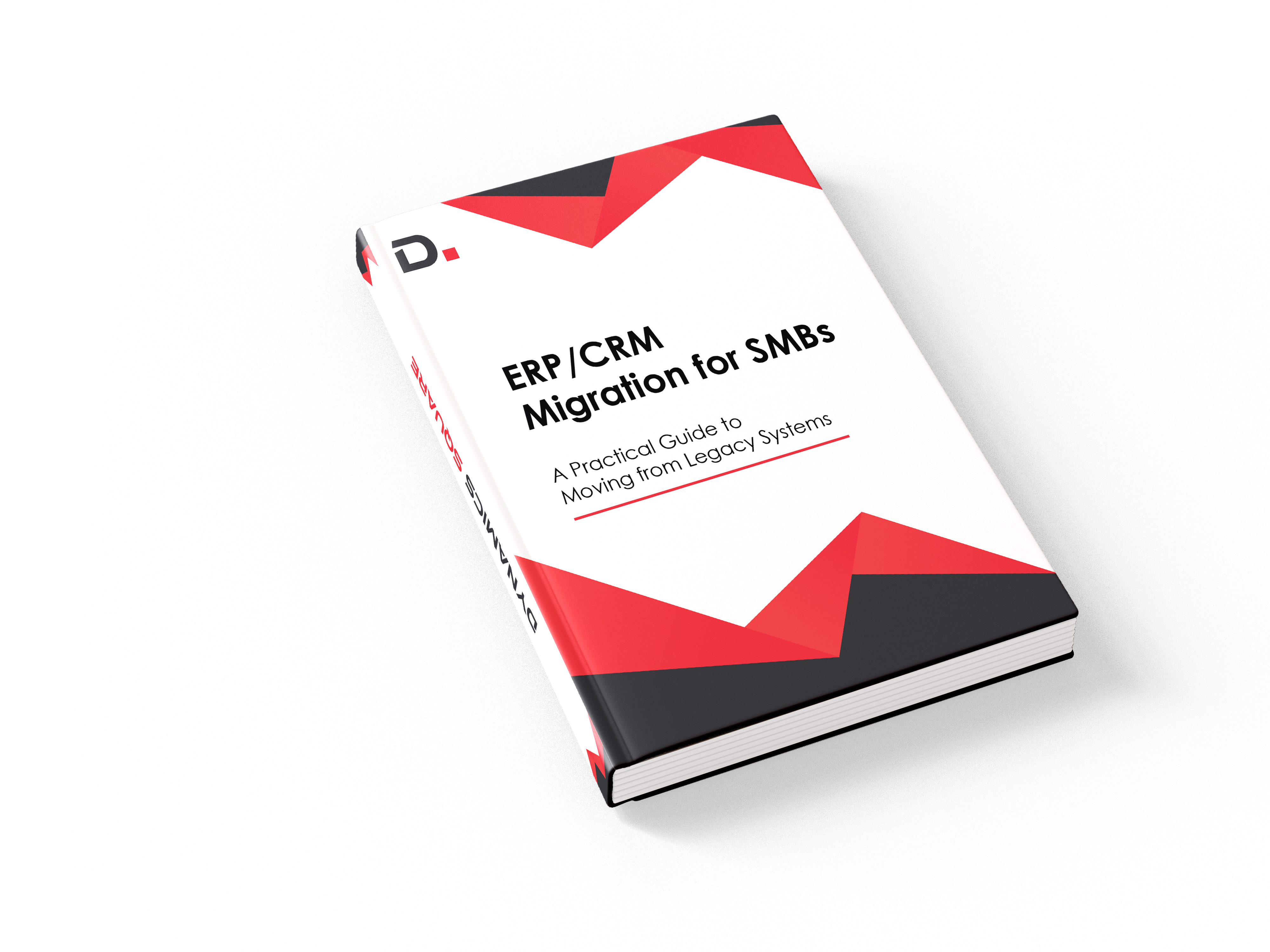
What's more about this eBook?
Migrating from a legacy ERP or CRM system to Microsoft Dynamics 365 is a strategic move for Asia-Pacific Region businesses aiming to modernize operations, boost efficiency, and enhance customer experiences.
With the right plan, expert guidance, and a step-by-step approach, your organization can successfully transition to a scalable, AI-powered platform.
This eBook, ERP/CRM Migration for SMBs: A Practical Guide to Moving from Legacy Systems, helps small and midsize businesses navigate the challenges of upgrading outdated ERP and CRM systems. It explains the hidden costs of legacy platforms, compares cloud and on-premise solutions, and outlines modern ERP trends and best practices. Readers learn how Dynamics 365 Business Central unifies operations, improves resource utilization, enhances financial visibility, and supports scalable growth. The guide covers strategic planning, migration myths, ROI measurement, and selecting the right implementation partner, emphasizing how a structured ERP migration can transform SMBs into agile, data-driven, and growth-ready organizations.
ERP/CRM migration is the process of moving from legacy systems to modern platforms. SMBs need it to improve operational efficiency, gain real-time insights, reduce manual work, and support growth in a competitive market.
Indicators include slow financial closes, disconnected sales and operations data, heavy reliance on spreadsheets, delayed reporting, and difficulty scaling or integrating with modern tools.
Cloud ERP offers scalability, lower maintenance, remote access, and automatic updates. On-premise allows deep customization and full data control. Selection depends on budget, IT resources, compliance needs, and growth plans.
Common misconceptions include migration being too risky, time-consuming, only for large enterprises, or causing resistance from users. Proper planning and cloud-based platforms can overcome these challenges.
It centralizes finance, sales, and operations, automates manual tasks, improves visibility, integrates with Microsoft tools, supports AI-driven insights, and scales as the business grows, all while reducing IT costs.
Define business objectives, assess current systems and data, build a cross-functional team, choose the right implementation partner, plan phased deployment, and measure success with KPIs.
SMBs can maximize ROI by aligning the migration with clear business objectives, tracking key performance metrics such as efficiency gains, cost savings, and revenue growth, and leveraging real-time insights from the new system to make faster, smarter, and more informed decisions.
When comparing Dynamics 365 Business Central vs legacy ERP, cloud ERP benefits include elastic scaling, always-on updates, and lower capital expenses. By migrating, SMBs eliminate hardware maintenance and version lock, achieve shorter close cycles, and improve security. A cloud-based ERP dynamics platform also supports real-time forecasting and unified reporting for proactive decisions.
A timeline for ERP migration depends on the size of an organization, the complexity of its existing system, and how much historical data it needs to transfer. A thorough assessment of current systems and data will help businesses estimate their time and resource commitment.
- ERP readiness assessment & evaluation
- Deep analysis, consultation & guidance on choosing the right ERP
- Implementation of Dynamics 365 modules
- Data migration, integration & customization
- Ongoing support, optimization & user adoption
- Business Excellence & Digital Transformation
This eBook is for SMBs and midsize firms across industries looking to migrate from legacy ERP and CRM systems to Dynamics 365. It’s ideal for business leaders, IT managers, and team heads who want a risk-free migration, smooth adoption, and faster ROI from Microsoft Dynamics 365 modules.
